Notice: Please note that this page is still being refined. The content is current, but the layout and styling may not yet match the rest of the site.
Sea freight.
Full container and shared container options — planned around cut-offs, documentation, and delivery constraints.
Why sea freight:
Sea freight is a strong fit when your cargo can move on a vessel schedule and you want more controlled handling for heavier or bulkier goods. Most “sea freight problems” aren’t caused by the ocean — they’re caused by scope gaps: unclear responsibilities, missing cargo details, late documents, or delivery assumptions that don’t match the receiver’s site rules.
Sterdts helps you choose the right container approach (full container vs shared), confirm what’s included, and plan around the gates that matter: cut-offs, document deadlines, and the practical realities of collection and delivery.
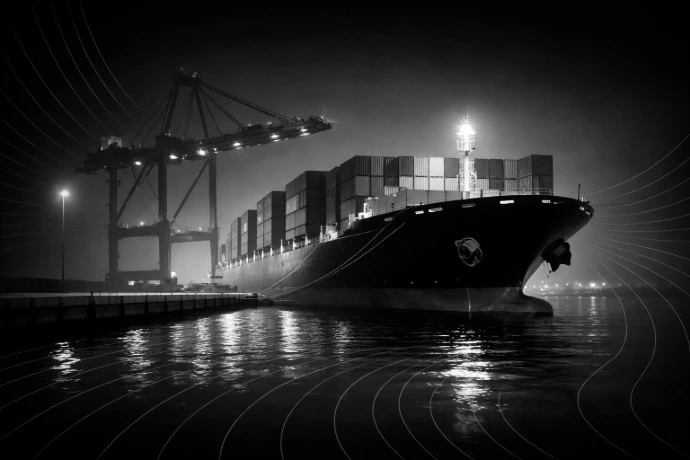
Choose the right option: full container vs shared container
If you’re unsure, start with the cargo details and the receiver’s constraints. We’ll recommend the most practical option and clearly label any assumptions used to build the quote.
How sea freight actually moves
Each handover has “gates” that can’t be skipped (for example, cut-offs and document deadlines). When a shipment feels “stuck”, it’s usually because one gate wasn’t met or one responsibility wasn’t confirmed.
A sea shipment is a chain of handovers:
Cargo readiness
Origin handling
Sea freight planning improves when:
Roles are explicit (who does what, and who pays what),
Documentation is treated as part of the shipment (not “admin later”),
Delivery constraints are confirmed before the container lands.
If your shipment is commercial cargo, the Traders page helps clarify typical inputs and responsibilities.
Key milestones to plan around
This is not a promise of specific transit times. It’s a practical checklist of the milestones that drive planning and risk.
Packed, labelled, measured and available for collection/receiving
What can delay it:
Packing not complete, measurements changing, goods not accessible
Parties and scope confirmed; we can place a booking with clear instructions
What can delay it:
Incoterms unclear, missing party details, unclear delivery constraints
Deadlines for gate-in/loading and required documents
What can delay it:
Late cargo, missing documents, last-minute changes
Vessel departs; changes become harder and costlier
What can delay it:
Rollovers, late cut-off compliance, incomplete instructions
Terminal handling begins; release steps become time-sensitive
What can delay it:
Congestion, missing customs inputs, unclear release authority
Cargo released and final delivery/collection completed
What can delay it:
Clearance delays, unpaid local charges, receiver access issues
For customs coordination, see Customs Clearing. For the inland leg within South Africa, see Road Freight.
What we need to quote (sea-freight specific)
The fastest accurate quote comes from details that define space, handling, and responsibility. If something is unknown, say so — we can quote with assumptions, but we’ll label them clearly so you can approve or correct them.
2
Cargo and packing (the details that drive the container decision) —
- Commodity description: plain-language description of what the goods are, and whether they are new/used.
- Packing type: cartons, crates, pallets, loose items, or mixed; include photos if packing is unusual.
- Stackability and stability: can units be stacked safely; are there fragile or crush-sensitive items.
- Dimensions and weights: ideally per package; if not, provide best estimates and note what might change.
- Handling constraints: any items requiring special handling (long lengths, awkward shapes, restricted lift points).
Quick scope table (to prevent rework)
What we need from you:
Incoterm and who is responsible for each leg (export, ocean, import, delivery)
Why it matters:
Prevents gaps like “who clears” or “who pays local charges”
What we need from you:
Dims/weights per package (or best estimates)
Why it matters:
Determines whether FCL vs shared fits and how rates are built
What we need from you:
Packing type and whether goods can be stacked
Why it matters:
Impacts loading plan, risk, and shared-container suitability
What we need from you:
Receiving hours, access limits, offload equipment
Why it matters:
Avoids failed deliveries and extra truck/standing time
What we need from you:
Who can approve charges and issue release instructions
Why it matters:
Prevents delays when the shipment reaches a decision gate
If you’re unsure whether a product category has special import rules, start with Regulations (and we’ll confirm what applies to your specific shipment during scoping).
What helps and what hurts (sea freight realities)
What hurts
Late changes near cut-offs:
changes to cargo, parties, or scope close to a gate often create rework.
Missing or inconsistent documentation:
mismatched invoices/packing lists, unclear consignee details, incomplete descriptions.
Poor packing or unclear stackability:
fragile or unstable cargo increases handling risk and can force costlier options.
Assuming delivery is “standard”:
restricted sites, no offload equipment, or tight windows can cause delays and extra costs.
Demurrage/detention exposure (where applicable):
if release or delivery is delayed, time-based container charges may apply depending on carrier/terminal rules and the agreed scope.
Unclear local charges scope:
surprises usually come from assumptions about what’s included at origin/destination.
What helps
Early cut-off planning:
treating cut-offs as the “real schedule” and working backwards from them.
Clean documents:
invoices/packing lists that match, plus clear party details and references.
Accurate measurements:
dimensions and weights that match how the cargo is actually packed and presented.
Stable, stackable packing:
especially for shared-container moves where consolidation requires safe loading.
Confirmed receiver readiness: appointment windows, access, and equipment confirmed before arrival.
A release plan:
knowing who approves charges, confirms release instructions, and books delivery.
We don’t promise that nothing will change. Instead, we reduce avoidable change by defining scope early and flagging the variables that can move.
Common sea freight routes to and from South Africa

South Africa to UK
Often used for planned commercial shipments where vessel schedules, handover timing, and destination coordination matter more than speed. Early clarity on packing, stackability, delivery points, and responsibility split helps reduce rework near cut-offs.

Europe to South Africa
A practical route for inbound sea freight where the biggest pressure often comes after arrival rather than during the sailing itself. Customs coordination, release readiness.
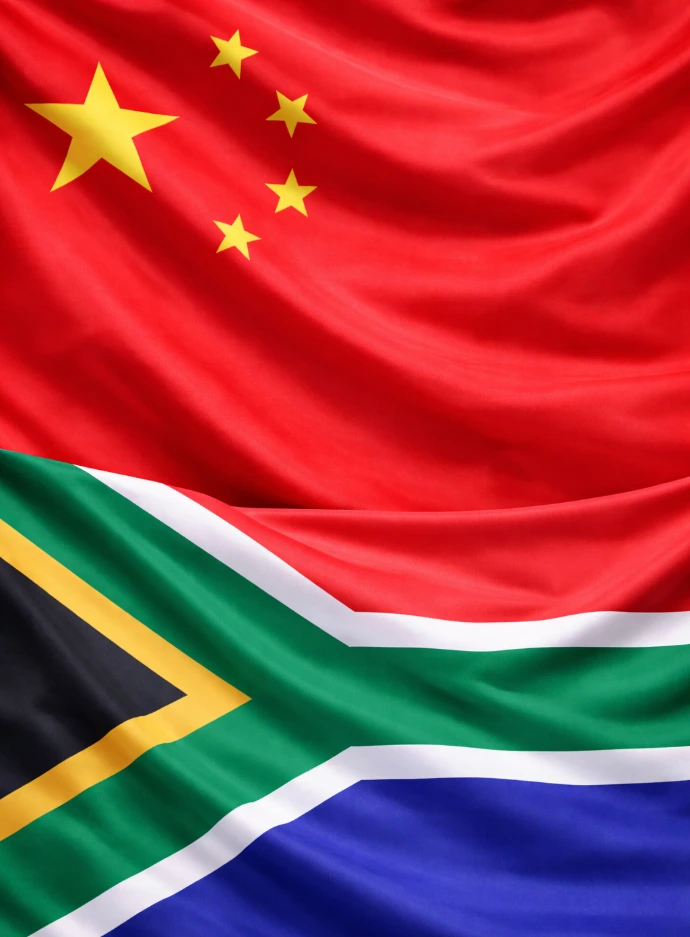
China to South Africa
A common sea-freight route for commercial imports where cargo readiness, packing type, document accuracy, and final delivery planning usually matter more than speed. Good planning early helps reduce delays around release, local charges, and inland delivery once cargo arrives.

South Africa to Australasia
A common sea-freight route for shipments moving to Australia and New Zealand where planning usually depends on cargo readiness, packing stability, handover timing, and clear destination scope. The strongest outcomes usually come from confirming shipment details, delivery expectations, and receiver constraints early so the movement is planned properly from origin to final handover.
What happens next
Scope check (FCL vs shared):
we confirm route, roles (Incoterms), cargo details, packing/stackability, and delivery constraints.
Quote issued with assumptions stated:
you receive a clear option with any variables explicitly flagged.
Booking and cut-off alignment:
once accepted, we place the booking and align cargo handover, document deadlines, and instructions.
Origin handling and sailing:
cargo is received/collected, handled for export, and loaded for departure.
Arrival, release, and delivery:
we coordinate clearance and release steps (where in scope) and plan delivery around the receiver’s constraints.