Notice: Please note that this page is still being refined. The content is current, but the layout and styling may not yet match the rest of the site.
Specialised packing
Crating and protective packing when fragility, value, size, or handling conditions need more than standard cartons. We assess the item and the handling chain first, then recommend a packing method that fits the risk (without over-specifying when it isn’t needed).
When specialised packing matters
Specialised packing is most useful when the downside of damage is high, or when the item will face a rougher handling chain than a normal carry. It is worth considering when one or more of these apply:ions.
Fragility:
glass, stone, ceramics, framed artwork, brittle finishes, or thin edges that chip easily.
Sensitive surfaces:
high-gloss lacquer, polished wood, soft metals, or anything that scratches with light abrasion.
Oversize or awkward shapes:
items that don’t fit safe carton dimensions, or that have protrusions/weak points.
Handling-chain risk:
multiple handovers, pallet moves, shared containers, stacking risk, or tight access that forces awkward lifting.
Moisture or storage exposure:
long storage periods or sea voyages where humidity and condensation become a factor.
Value / consequence:
higher-value items or one-of-a-kind pieces where “minor damage” is still unacceptable.
If none of the above apply, standard export cartons with proper internal cushioning may be sufficient. The key is matching the method to the risk you actually face.
Typical items and the right level of protection
The table below is a quick guide (kept intentionally short for mobile). Final methods depend on condition, dimensions, and access.
Primary risk:
Corner crush, puncture, surface damage
Typical approach (general):
Rigid face protection + edge/corner protection; crate if handling risk is high
Primary risk:
Cracking from twisting, impact fracture
Typical approach (general):
Stabilise weak points + rigid protection; crate when access/handling is complex
Primary risk:
Joint stress, abrasion
Typical approach:
Protective wrap + rigid guarding on corners/legs; crate for long chains or stacking risk
Primary risk:
Shock, vibration, pressure
Typical approach (general):
Immobilise + shock absorption; rigid outer protection where stacking is possible
Primary risk:
Impact, case compression
Typical approach (general):
Case immobilisation + rigid outer protection; crate for higher-risk legs
Primary risk:
Chips, pressure damage, weight handling
Typical approach (general):
Base support + immobilisation; lift/handling plan; crate or skid base
Primary risk:
Snags, bending, handling damage
Typical approach:
Custom protection to remove snag points; skid/pallet base; crate as required
What we need to quote / assess (send once, we use it throughout)
To recommend a packing method and give a usable estimate, we normally need the inputs below. If you can send what you have upfront, we can move faster and reduce back-and-forth.
2
Access and timing (often the deciding factor):
- Collection and delivery access: stairs, narrow passages, lift availability, distance from parking, building rules/booking windows
- Timing: preferred dates and whether packing must happen before collection day
If you’re unsure, send photos of the access route as well (doorways, stairs, turns). Small constraints often change the safest packing method.
Packing methods we may recommend (plain-language overview)
We select materials and build level based on risk and practicality. Examples include:
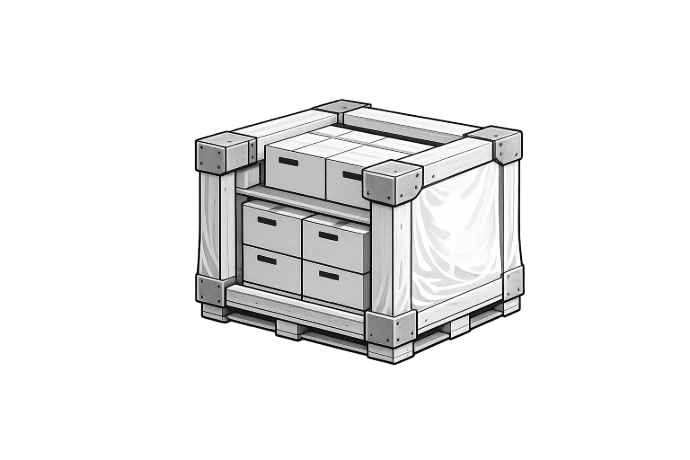
Reinforced carton protection
with proper internal cushioning and immobilisation (for lower-risk fragile items).
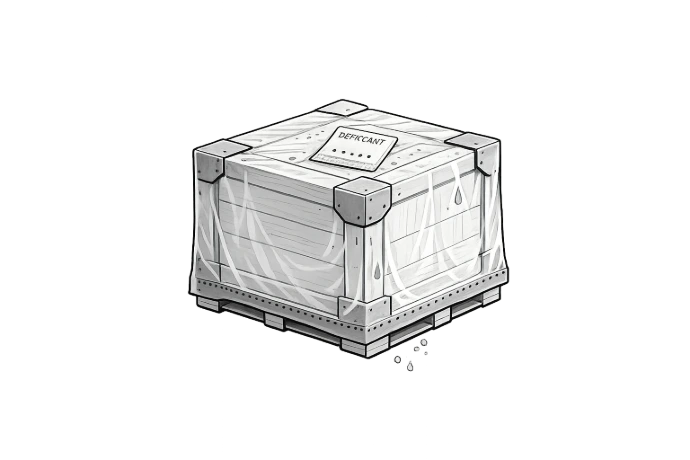
Moisture protection
when storage or sea exposure increases humidity risk (exact approach depends on the item).
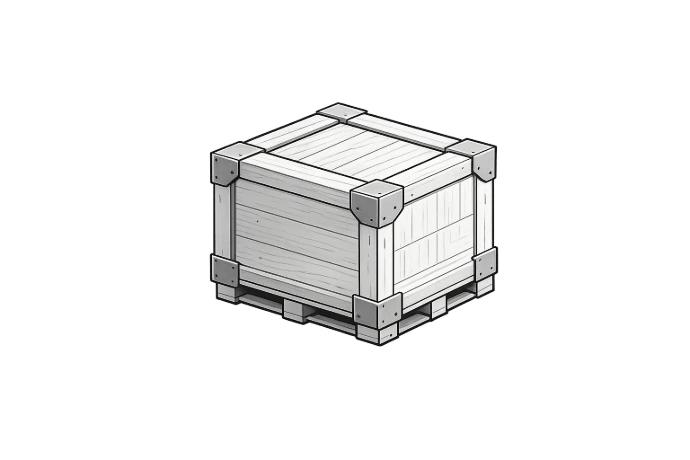
Open or enclosed crating
when stacking risk, repeated handling, or access constraints make cartons risky.
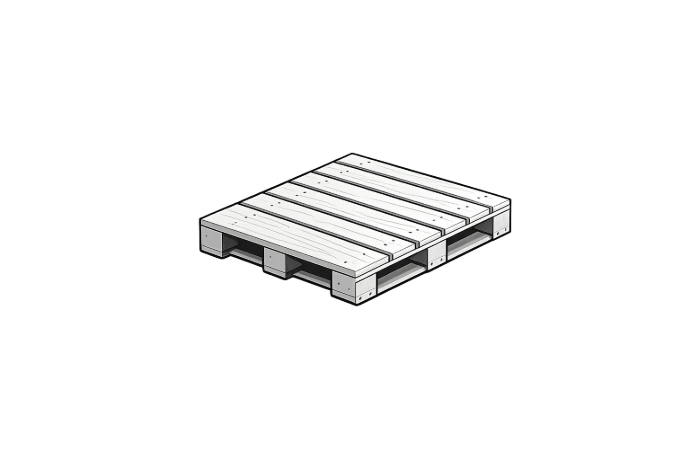
Pallet/skid bases
to control handling and keep items off the ground (useful for heavier or awkward items).
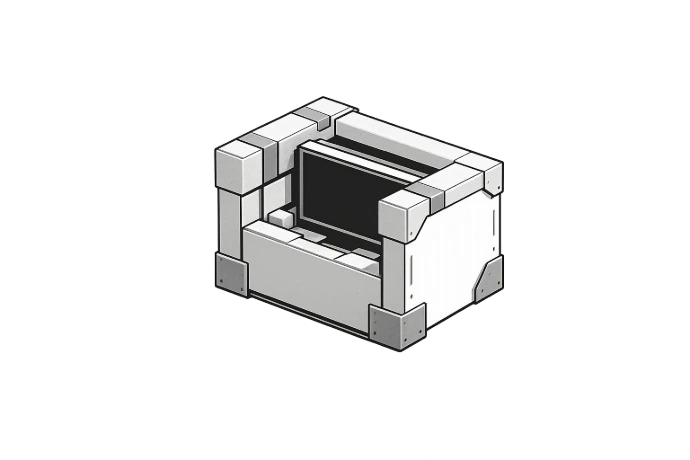
Rigid external protection
(face panels, edge/corner guards) where puncture, scraping, or crushing is likely.
We avoid promising that labels or “fragile” markings prevent damage. The protection comes from immobilisation, rigidity, and choosing a method that suits the handling chain.
What happens next
Send details
(photos, dimensions, fragility notes, access) via contactus
We assess
and confirm any missing inputs (sometimes a quick site check is needed for complex access)
You get a packing plan:
recommended method, assumptions, and what we need you to prepare (if anything)
Packing is carried out
on-site or scheduled ahead of collection, depending on space and timing
Handover to the next stage:
collection for shipping, storage, or local delivery. If the move includes clearance steps, align early with customs-clearing
Quick pre-pack checklist (helps avoid delays)
This is not a second “inputs list” — it’s a practical readiness check for the day.
Photograph the item from all sides (plus any existing marks) before packing starts
Gather loose accessories (cables, remotes, mounts, bolts) and keep them together
Confirm access constraints (stairs, tight turns, lift size, parking distance) and building rules
Identify a clear work area large enough to pack safely
Flag anything that cannot be disassembled or placed on its side
Get packing advice